E -Invoicing in Egypt:

A New Chapter in Digital Taxation

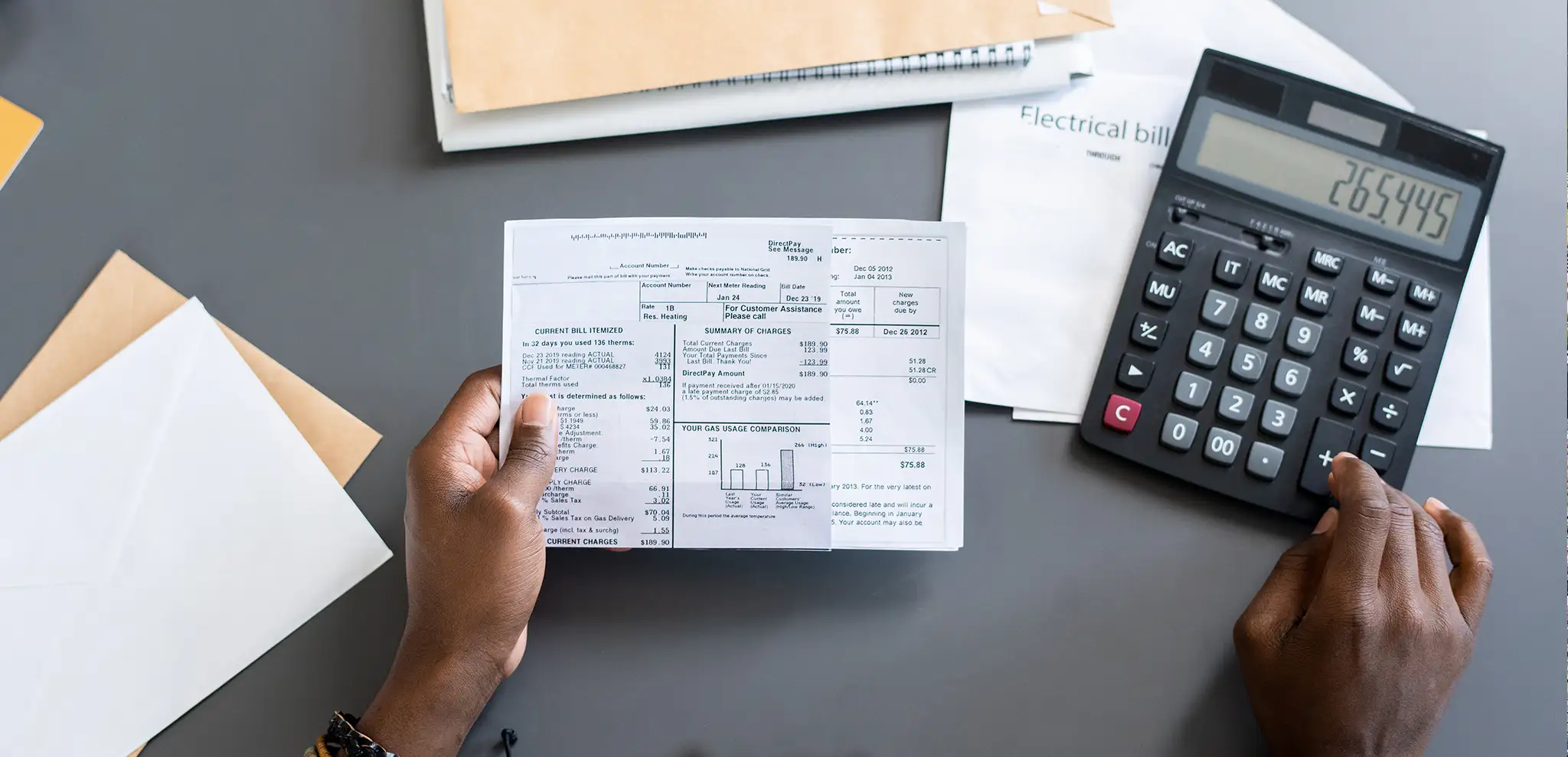
Egypt is undergoing a digital evolution in the world of tax, and it’s reshaping the way businesses handle invoicing. At the heart of this transformation is the Egyptian Tax Authority’s (ETA) e-invoicing and e-reporting initiative, a broad-scope mandate that aims to close VAT gaps, increase transparency, and modernize the country’s fiscal infrastructure.


The e-invoicing system requires all VAT-registered businesses to issue, sign, and transmit invoices electronically via the government’s central platform. This includes transactions across the board – business-to-business (B2B), business-to-consumer (B2C), and business-to-government (B2G). The e-reporting component, running alongside, targets smaller businesses and retailers, capturing transaction data and feeding it directly to the tax authority.

In this article:

Looking for indirect Tax Advice?

Rolling Out the Digital Shift: A Phased Approach

Egypt hasn’t flipped the switch overnight. Instead, the transition to e-invoicing has been carefully phased in to ease the burden on businesses while ensuring technical readiness.


It all started back in November 2020, when large taxpayers registered with the ETA’s Large Taxpayers Centre were the first to onboard. The rollout then expanded to medium-sized businesses, professionals, and eventually, almost every VAT-registered company in the country. By April 2023, B2B compliance was well underway, and January 2025 marked the inclusion of a new wave of businesses under the B2C e-receipt requirement.


This staged approach has allowed companies to gradually align with the technical and procedural requirements while giving the ETA time to monitor and refine the system.

Who’s Affected by Egypt’s E-Invoicing Mandate?

The short answer? Any business operating within Egypt’s VAT net. Initially limited to large entities, the mandate now applies to medium and small enterprises, professionals, public sector entities, and state-owned enterprises.


Foreign businesses with a permanent establishment in Egypt, or those engaged in taxable transactions in the country, are also expected to comply. That includes digital service providers and suppliers of both goods and services.


Whether you’re invoicing a corporate client, selling to the public, or doing business with the government, if you’re VAT-registered, you’re in scope.

Meeting the Requirements: What Businesses Need to Do

There are a few critical steps every business must take to remain compliant with the Egyptian e-invoicing system.


First, registration is essential. Businesses must register on the ETA’s platform and obtain a digital certificate (eSeal). Then, they’ll need to integrate their systems, whether that’s a point-of-sale (POS) system or ERP software – with the government’s infrastructure. Alternatively, they can use a certified third-party e-invoicing provider.


Invoices must contain specific fields: customer details, tax ID numbers, a unique UUID, and an electronic signature. Submissions must be in XML or JSON format, and the ETA must validate the invoice before it’s issued to the customer.

Non-Compliance Isn’t an Option

Falling short of the e-invoicing requirements can have serious consequences. Non-compliant businesses risk being excluded from government tenders, facing financial penalties, and losing their ability to deduct VAT or claim business expenses.


In more severe cases, companies could face legal action for tax evasion or issuing fraudulent invoices. That’s why early alignment and accurate integration are so critical – not just for regulatory peace of mind, but for maintaining day-to-day business continuity.

Looking Ahead: A More Transparent Tax Future

Egypt’s e-invoicing mandate represents more than just a regulatory hurdle, it’s a turning point in how the country manages tax. With real-time transaction reporting, automated validation, and structured data, the system gives both the government and businesses clearer visibility into every transaction.


As the e-invoicing and e-receipt systems become fully embedded across B2B, B2C, and B2G channels, companies that embrace the shift will benefit from stronger control over their financial operations and a simplified approach to VAT.


Now is the time to take action. Align with the mandate, get ahead of the deadlines, and position your business for a more streamlined and compliant future.

Related Blogs