
For businesses operating in Slovenia, or those working with Slovenian entities, understanding the difference between a tax number and a VAT identification number (VAT ID) is more than a matter of semantics. It’s a fundamental distinction that can have real implications for compliance, invoicing, and cross-border transactions.
It’s easy to assume that a tax number and VAT ID are interchangeable. After all, they often contain the same digits. But in Slovenia, these identifiers serve different purposes, and using the incorrect one in the wrong context can lead to rejected invoices, delayed VAT refunds, or compliance complications.
Let’s break it down.
Slovenia’s tax number, also known as the Davčna številka, is a universal identifier issued by the Financial Administration of the Republic of Slovenia (FURS) to all taxable entities, including individuals, local businesses, and foreign entities with obligations in Slovenia.
This number is used for general tax purposes across a variety of direct and indirect tax-related processes. It serves as the foundation for the taxpayer’s identity in the eyes of the Slovenian tax authority.
A few key things to note:
Think of the tax number as your national ID, it proves you exist in the Slovenian tax system, this number is your starting point.
The VAT identification number, also known as the Identifikacijska številka za DDV is specifically designated for VAT purposes. It is only issued to entities that are formally registered for VAT in Slovenia. Here is how it works: The VAT ID is simply the tax number preceded by the country prefix “SI.” So, if your tax number is 12345678, your VAT number becomes SI12345678 upon VAT registration.
This number is only issued to businesses that are VAT registered, meaning they have crossed the VAT registration threshold or have voluntarily opted to register for VAT.
The VAT ID is used to:
It’s also necessary for validation checks through systems like the VIES VAT number validation system, which is commonly used for verifying the VAT status of EU-based suppliers and customers.
While the VAT ID shares digits with the tax number, it is only valid for VAT purposes once issued by FURS following registration. A tax number alone is not evidence of VAT registration.
At first glance, the only real difference might seem to be the “SI” prefix, but overlooking the functional difference between the two can cause real problems:
Using a tax number where a VAT ID is required can render your invoice non-compliant, particularly in cross-border B2B transactions. This can lead to:
For example: You are a company based in France invoicing a Slovenian partner. If they’ve only provided their tax number (without “SI”), they may not be VAT registered, meaning the transaction should be treated as domestic or consumer-level rather than intra-community B2B. The correct treatment of VAT hinges on knowing which number you are dealing with.
For non-Slovenian companies looking to reclaim Slovenian VAT under the EU 8th Directive or 13th Directive processes, having the correct VAT ID of your supplier is crucial. If you use the standard tax number instead of the VAT number, your claim might be flagged or outright rejected due to invalid invoice data. Your reclaim documentation must include the VAT ID with the correct “SI” prefix to be accepted.
As Slovenia continues modernising its tax system with digital mandates and electronic invoicing protocols, distinguishing between general tax identifiers and VAT-specific numbers becomes even more important.
Systems designed to streamline B2B transactions rely on correct data input. Having the wrong ID associated with your business or your partners can cause automated processes to fail.
If you are unsure whether a Slovenian business is VAT registered, use the VIES VAT number validation provided by the European Commission.
Enter the “SI” prefix and eight-digit number to confirm:
It’s a quick but vital step in ensuring your invoicing and tax treatment are correct, particularly for intra-EU transactions that rely on the reverse charge mechanism.
Now that we’ve explored the differences between the two identifiers, the next logical question is, when does a business need to obtain a VAT ID in Slovenia?
You must register for VAT in Slovenia if:
Voluntary VAT registration is also available if your business doesn’t meet the threshold and is looking to reclaim input VAT or enhance credibility with clients.
It’s true that the VAT ID in Slovenia is derived from the tax number. But don’t let that simplicity fool you into treating them as the same thing.
Here’s a quick analogy:
Think of your tax number as your national ID, everyone gets one, whether or not they travel. But your VAT ID is your passport, it’s what allows you to conduct business across borders, claim VAT, and appear in EU registries.
Using the incorrect number in the wrong context is like showing up at the airport with your driver’s license and expecting to fly internationally. You may get some confused looks, or worse, you may get turned away.
Managing VAT compliance in Slovenia (and across the EU) doesn’t have to be complicated, but it does require accuracy.
Whether you are unsure which number to use, when to register, or how to reclaim Slovenian VAT, VAT IT Reclaim is here to help. We offer full end-to-end VAT solutions for local and cross-border compliance, from registration to recovery.
Get in touch with our VAT specialists today to ensure your documentation is airtight and your reclaim potential is maximised.

E-Invoicing in France: Updates on the B2B and B2C Mandate France is making steady progress on its digital invoicing reform, despite a shift in the official timeline. Originally planned for 2024, the mandatory B2B and B2C e-invoicing will now begin in September 2026, giving businesses more time to prepare, but also raising expectations for compliance. […]
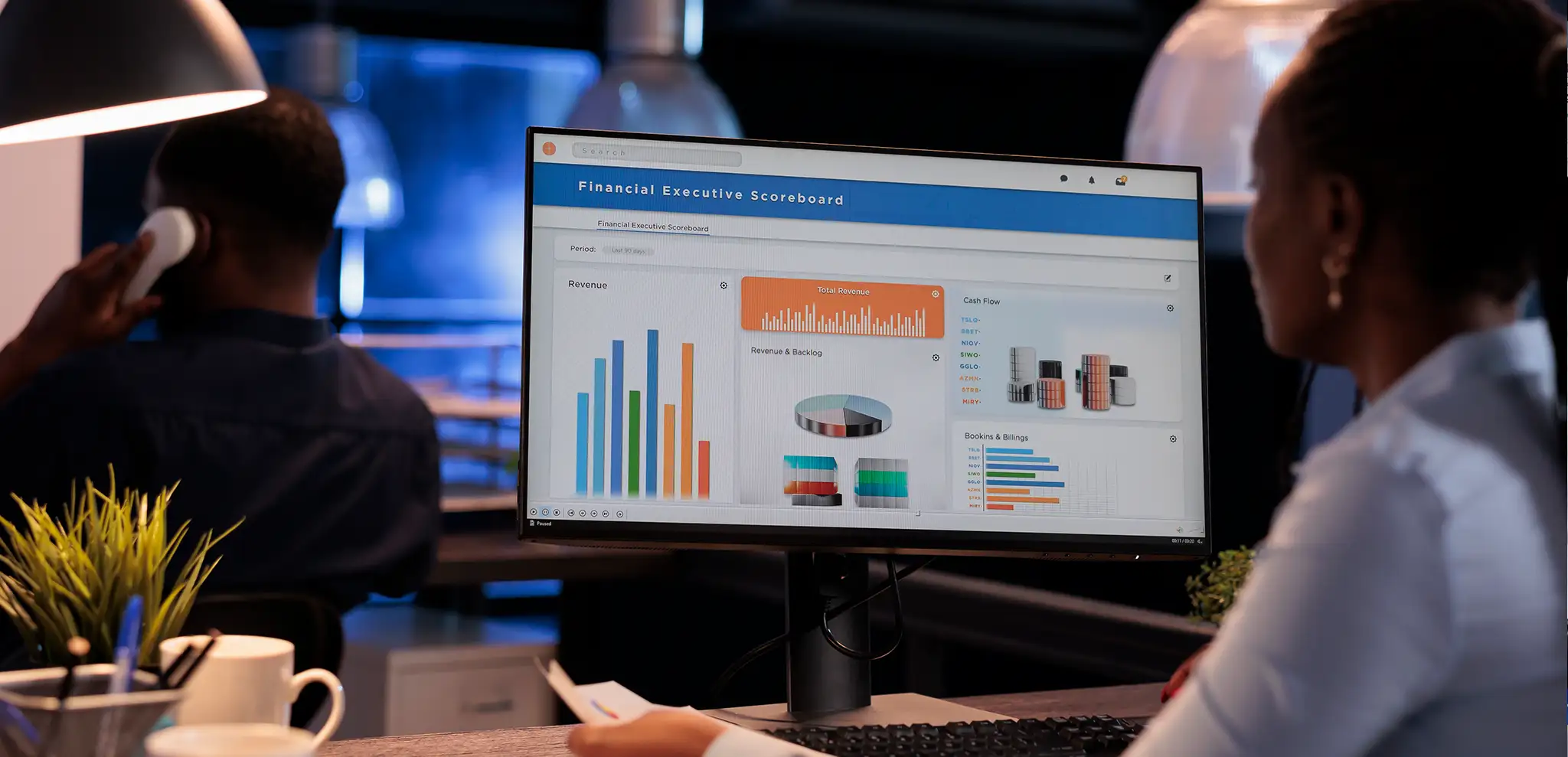
Claiming VAT in the accounting industry Explore the reclaim opportunities available within the industry Within the accountancy industry, there is very little room for error. Every cent is accounted for, and financial visibility is a key priority. However, even within a sector that is tapped into the intricacies of value-added tax and its impact on […]
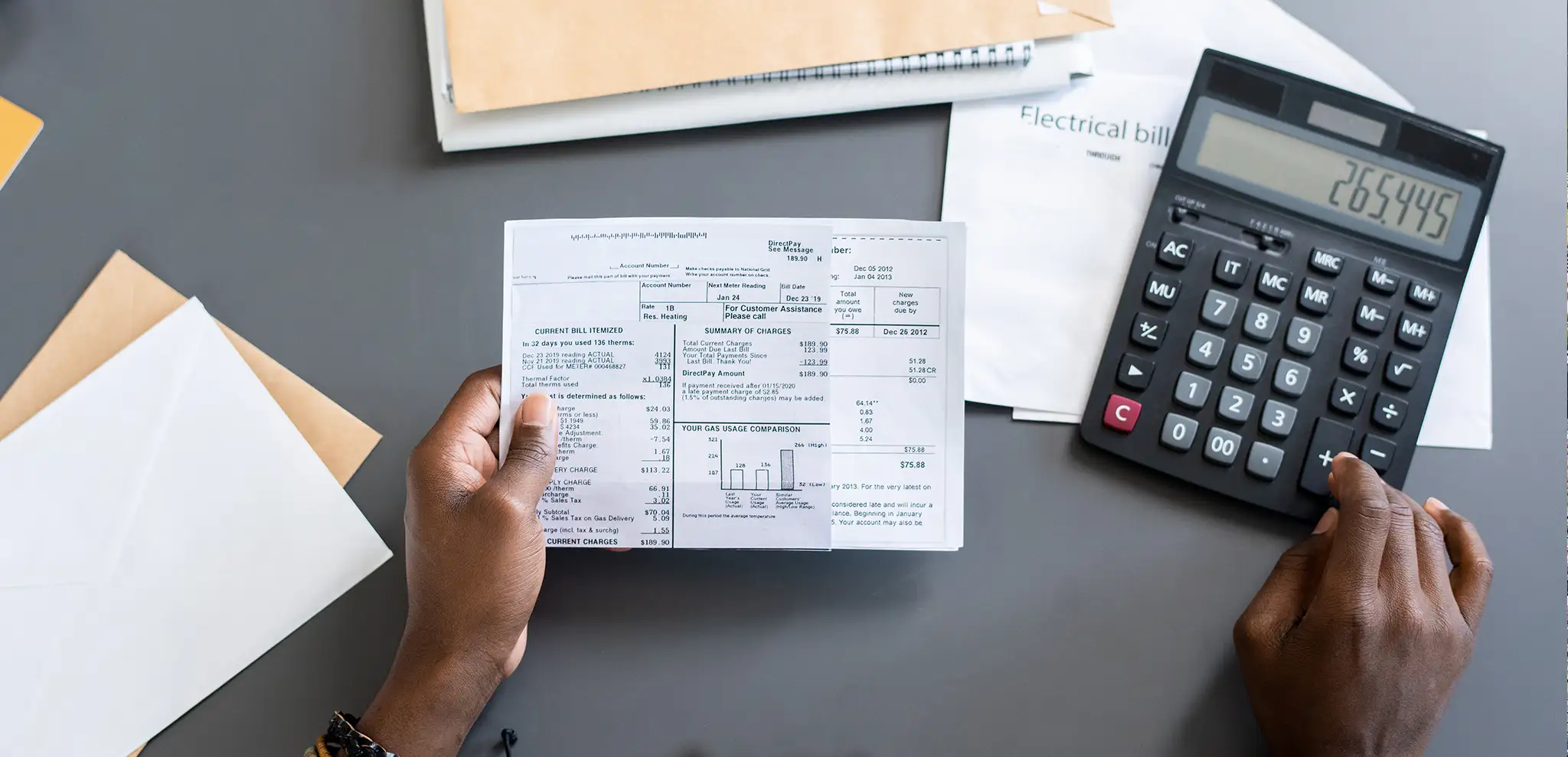
VAT vs Sales Tax: A practical business guide On the surface, VAT and sales tax are virtually the same. They’re both indirect taxes on the sale of goods or services. However, from a business and accounting perspective, there are important distinctions that affect compliance, cash flow and profit. For businesses entering new markets, understanding the […]


E -Invoicing in Egypt: A New Chapter in Digital Taxation Egypt is undergoing a digital evolution in the world of tax, and it’s reshaping the way businesses handle invoicing. At the heart of this transformation is the Egyptian Tax Authority’s (ETA) e-invoicing and e-reporting initiative, a broad-scope mandate that aims to close VAT gaps, increase […]

A pocket guide to reclaiming VAT from the UK Great – you’ve got stacks of VAT recovery opportunities waiting to be reclaimed. Except for one tiny problem: you do not know where to begin. We don’t blame you. VAT reclaim (especially from the UK) is no easy feat. Not only do you have to absolutely […]


