
When importing goods into the UK, businesses often face a common pain point: upfront import VAT. Paying this tax at the border before goods are released can squeeze your cash flow, delay operations, and make accurate forecasting harder.
But there’s a better way to manage VAT on imports: Postponed VAT Accounting (PVA). It’s designed to keep your cash in your business while still meeting your VAT obligations. Whether you’re an importer, manufacturer, or retail distributor, understanding how PVA works can save you time, money, and a fair bit of admin.
Here’s everything you need to know:
Postponed VAT Accounting allows UK VAT-registered businesses to declare and recover import VAT on the same VAT return, meaning there’s no need to pay VAT at the border when the goods arrive. It’s a system that creates an accounting entry, rather than a physical cash payment.
PVA was introduced in 2021 following Brexit to help UK businesses continue trading efficiently with the EU and beyond. The idea was to level the playing field by giving importers similar VAT handling advantages to those available under intra-EU trade.
Instead of paying import VAT immediately, businesses account for it on their VAT return in two boxes:
In most cases, this results in a net-zero cash position – import VAT is due and reclaimed simultaneously.
Let’s say you import £100,000 worth of goods from a supplier outside the UK. Ordinarily, you’d pay 20% import VAT (£20,000) upfront. Then, you’d reclaim it later on your VAT return.
With PVA:
So no actual cash changes hands at the point of import.
This not only eliminates the need to pre-fund large VAT outflows but also simplifies your reporting process, especially if you import frequently.
The system is open to any UK VAT-registered business importing goods into the UK. There’s no need to apply formally to use PVA, and you can choose to use it on a per-import basis or for all imports.
PVA is especially beneficial for:
Even if your business only imports occasionally, the benefits of improved cash flow and reduced admin make it worth considering.
To use PVA effectively, you’ll need to access your monthly postponed import VAT statements via the UK government’s Customs Declaration Service. These digital statements list the total import VAT deferred through PVA each month.
You must:
These statements are essential audit trails and provide the figures you use to complete your returns.
Yes, but communication is key. You must clearly instruct your agent to select the appropriate option on the import declaration. Otherwise, standard VAT treatment may apply, and you’ll be expected to pay VAT upfront.
It’s worth confirming with each agent or forwarder that:
While PVA is a UK-specific solution, many other countries have similar deferred VAT systems or simplifications for importers. If you operate globally, it’s worth reviewing your VAT strategy in each country.
In some cases, missing out on VAT-saving mechanisms like PVA could mean unnecessarily locking up capital that could be reinvested in your business.
Postponed VAT Accounting is more than a technical workaround – it’s a strategic advantage. It ensures that tax doesn’t get in the way of trade, particularly at a time when international supply chains are under pressure.
By removing the upfront cost of VAT on imports, PVA gives your business greater flexibility, faster access to stock, and better visibility over VAT exposure.
Still paying VAT at the border? It might be time to rethink your approach. Postponed VAT Accounting (PVA) can be a powerful way to streamline imports, improve cash flow, and reduce admin headaches.
At VAT IT Reclaim, we work with businesses to navigate VAT opportunities like PVA and ensure their reclaim strategies are on the right track.
Want to explore if PVA is right for your setup? Get in touch – we’re here to help!

E-Invoicing in France: Updates on the B2B and B2C Mandate France is making steady progress on its digital invoicing reform, despite a shift in the official timeline. Originally planned for 2024, the mandatory B2B and B2C e-invoicing will now begin in September 2026, giving businesses more time to prepare, but also raising expectations for compliance. […]
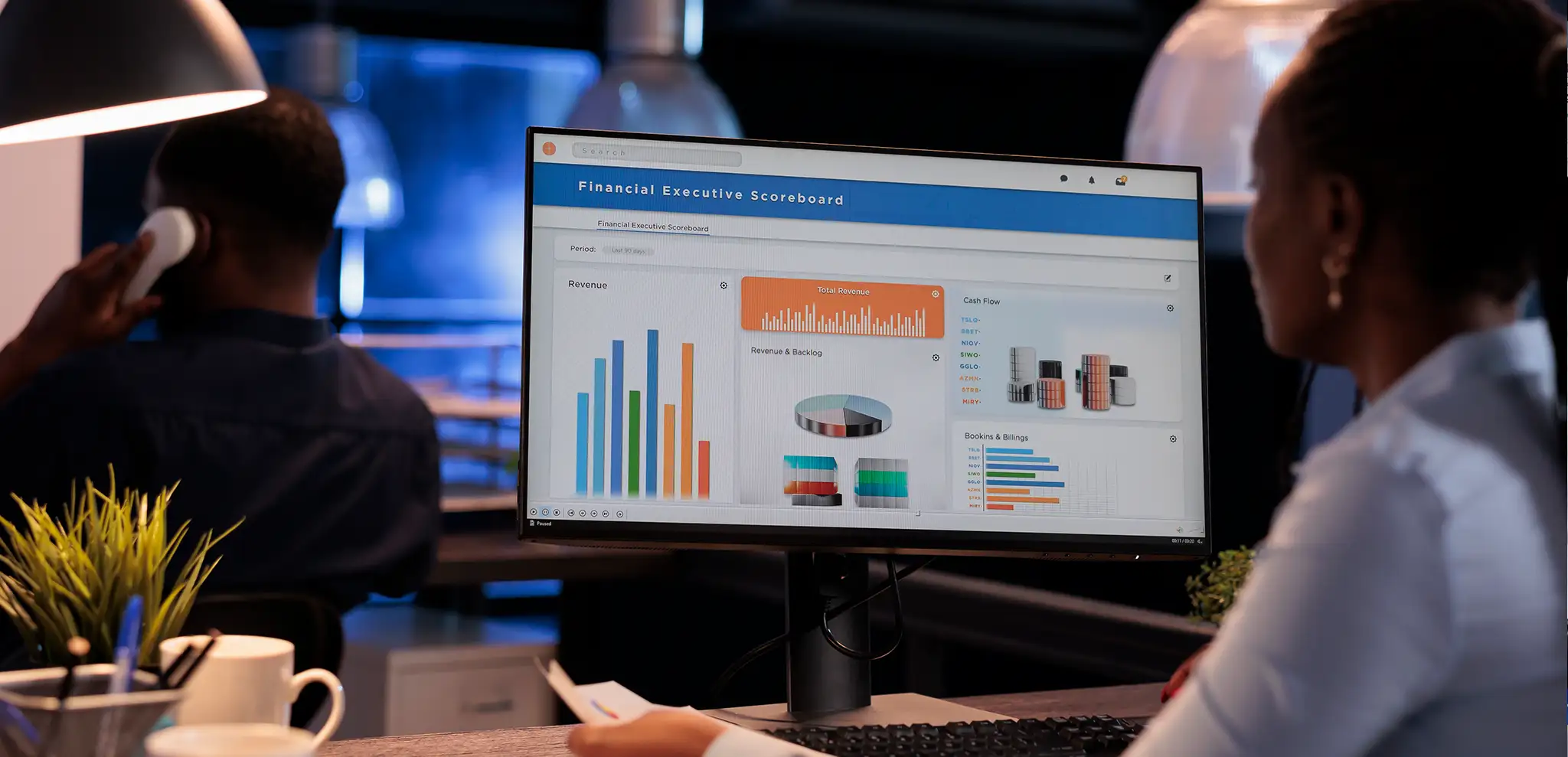
Claiming VAT in the accounting industry Explore the reclaim opportunities available within the industry Within the accountancy industry, there is very little room for error. Every cent is accounted for, and financial visibility is a key priority. However, even within a sector that is tapped into the intricacies of value-added tax and its impact on […]
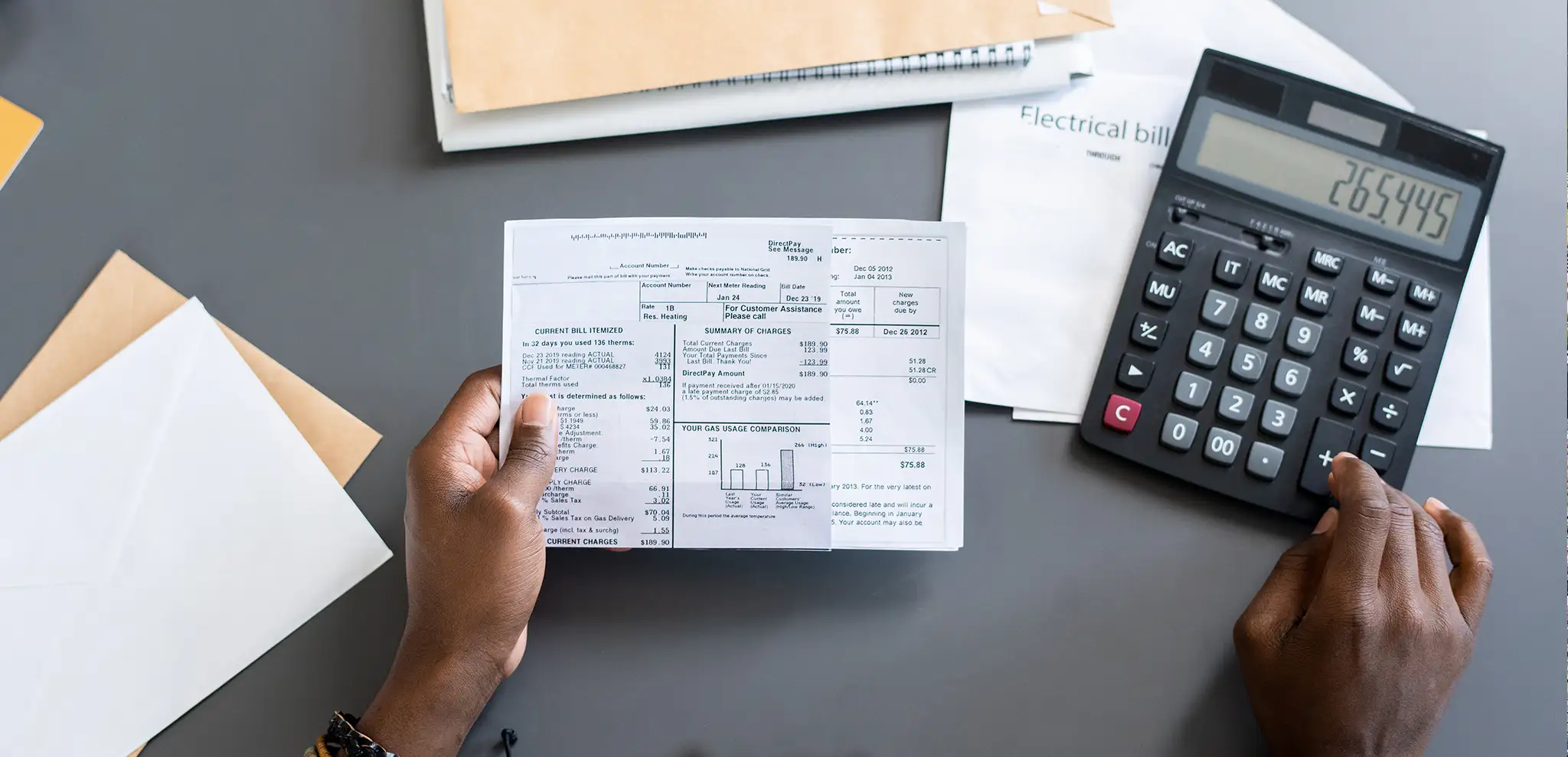
VAT vs Sales Tax: A practical business guide On the surface, VAT and sales tax are virtually the same. They’re both indirect taxes on the sale of goods or services. However, from a business and accounting perspective, there are important distinctions that affect compliance, cash flow and profit. For businesses entering new markets, understanding the […]


E -Invoicing in Egypt: A New Chapter in Digital Taxation Egypt is undergoing a digital evolution in the world of tax, and it’s reshaping the way businesses handle invoicing. At the heart of this transformation is the Egyptian Tax Authority’s (ETA) e-invoicing and e-reporting initiative, a broad-scope mandate that aims to close VAT gaps, increase […]

A pocket guide to reclaiming VAT from the UK Great – you’ve got stacks of VAT recovery opportunities waiting to be reclaimed. Except for one tiny problem: you do not know where to begin. We don’t blame you. VAT reclaim (especially from the UK) is no easy feat. Not only do you have to absolutely […]


